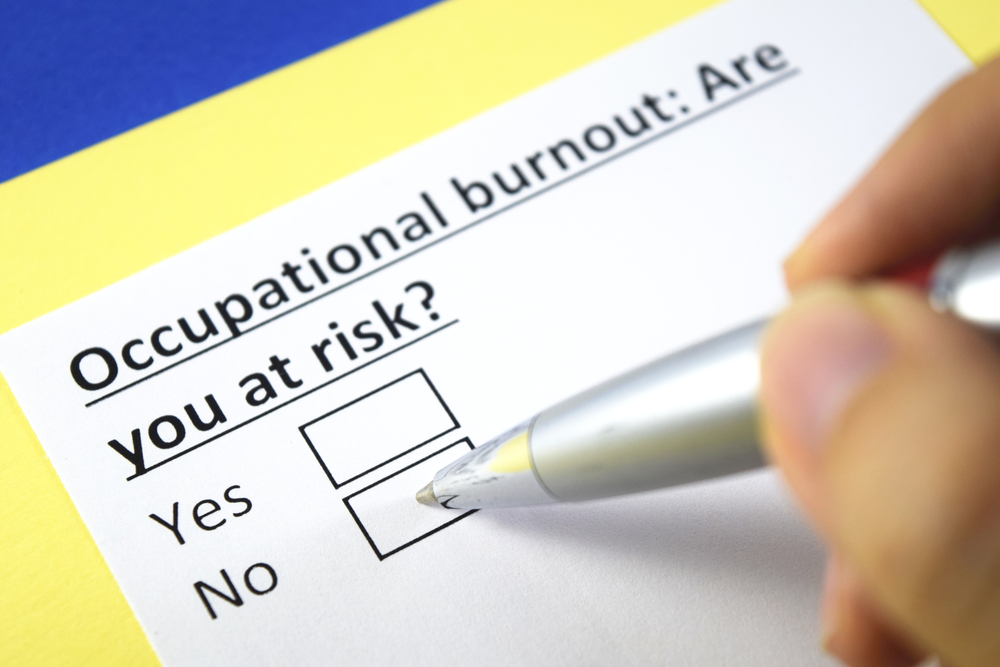
Burnout is one of the most expensive and overlooked problems managers face.
Burnout can be devastating – it leads to decreased productivity, increased turnover, and can even impact an employee’s mental and physical health. But the good news is that there are proactive steps you can take to prevent burnout before it becomes a major problem.
The first step is to be vigilant in monitoring the wellbeing of your team members. Victor (an assumed name), a senior manager I coach, told me in our session today how he missed the signs of burnout with one of his direct reports until it was too late. Looking back, he realized the signals had been there, like when the employee insisted he didn’t need help, even though he was clearly struggling.
If you’re surprised when someone burns out, the signs were almost certainly there earlier.
Example: A simple way to keep a pulse on your team
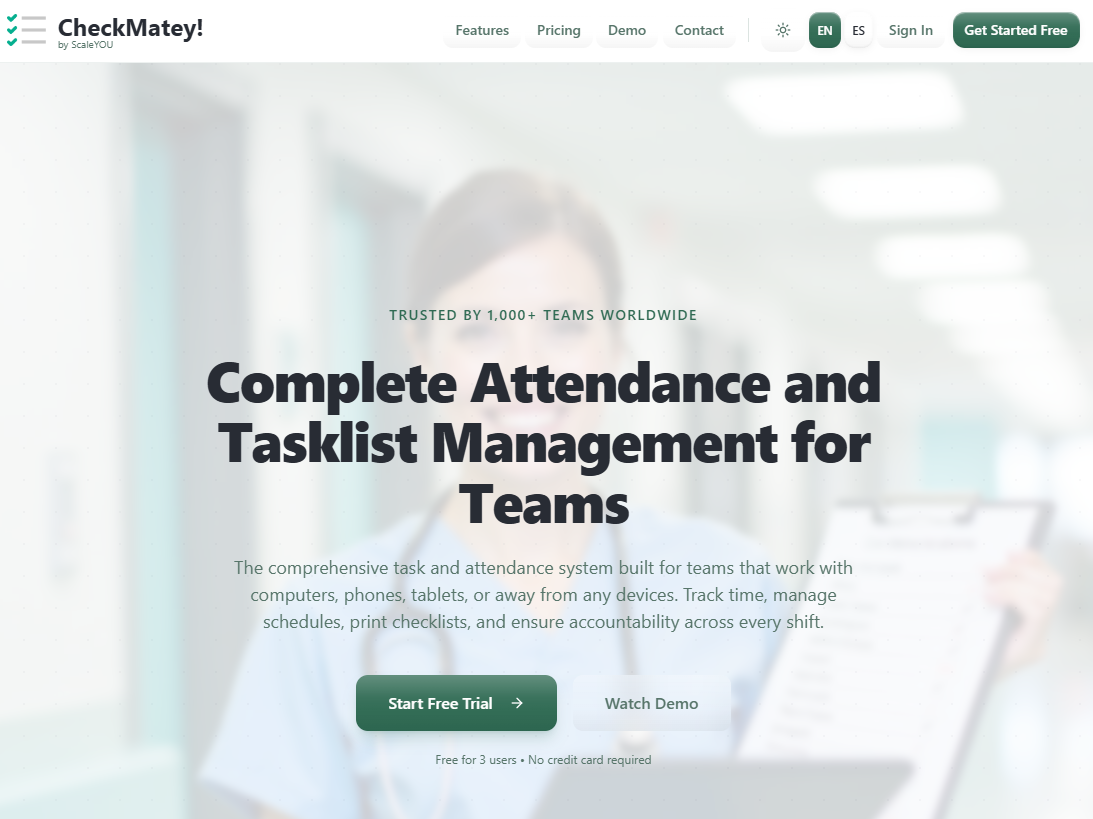
A simple way to stay on top of this is a quick daily check-in where each team member rates how they’re feeling. At ScaleYOU, we use www.checkmatey.app, an attendance app that asks each employee to rate how they are feeling when they check in (optional).
😄 Great – “Ready to conquer the world!”
😊 Good – “Doing great.”
😐 Okay – “Pretty good.”
😕 Not Great – “Not my best day so far.” / “A bit stressed out.”
😞 Not feeling well – “Not feeling very well.”
This gives you a pulse on their energy levels and mood. You can also make time for more casual conversations to get a sense of how they’re really doing, beyond just the work.
Another key strategy is to foster an environment where it’s safe for people to be open about their challenges. I emphasize the importance of building camaraderie and personal connections on the team. Our team does a “word of the day” exercise at the start of the stand-up meeting on Thursdays, where people share a personal story related to their chosen word. This helps people see each other as whole humans, not just employees. Too big a jump? Just start with everyone sharing one word (keep it positive and not about work).
When you do notice signs of burnout, don’t hesitate to have an open conversation. Ask open ended questions (questions that don’t solicit a yes or no) to understand what’s causing the stress, and work together to identify solutions. This could mean redistributing workload, providing more resources, or simply giving the employee space to recharge. The key is to be proactive and compassionate. Also, I recommend reaching out to HR as it often falls under their scope.
Burnout is an occupational hazard that no team is immune to. But by staying attuned to your people, creating a culture of trust, and addressing issues head-on, you can help prevent it from taking hold. And when people feel seen early, burnout rarely gets the chance to take hold.
Stay Informed. Save Time.
Introducing ScaleYOU Perspectives: Personalized article and book summaries
Tired of sifting through endless content? With ScaleYOU Perspectives, you’ll get curated, concise weekly summaries of the most relevant articles, book insights, and news — tailored to your interests. It’s smart, efficient, and designed to fit your life. Learn more about Perspectives here.
Subscribe now for just €6/month (billed annually) and start making your reading time count.